Protecting wellbeing and supporting true participation: more research urgently needed
This page shares selected research on DEE-SWAS, EE-SWAS and related diagnoses including Landau-Kleffner syndrome (LKS), Continuous Spike-Wave in Sleep (CSWS) and Electrical Status Epilepticus in Sleep (ESES). It also includes broader epilepsy research and research from related fields that may help families make sense of changes in thinking, behaviour, emotions and identity, and support better child well being.
If you know of research to include, or if anything could be clearer, please email melanie@voicesofdeeswas.org
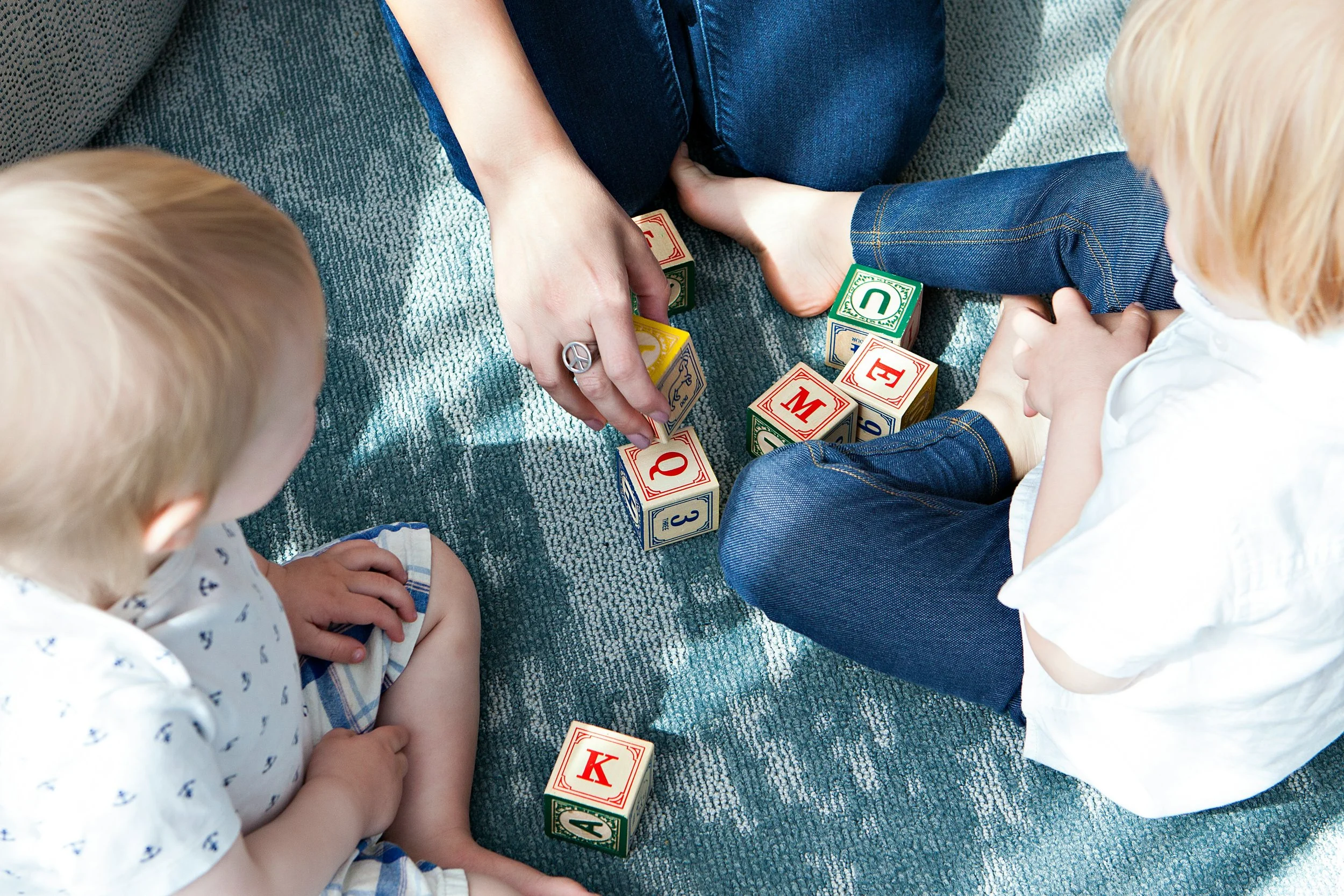
Definition of regression in childhood
A group of researchers developed a consistent definition of developmental regression to support better understanding of its causes, how commonly it occurs, and when investigations should take place, while promoting more consistent and standardised care.
The article is not specific to DEE-SWAS, but does discuss developmental and epileptic encephalopathies (DEEs). In DEE-SWAS and related diagnoses, developmental stagnation or regression is associated with activation of epileptiform activity during sleep that can affect cognition, language, behaviour and other areas of functioning.

Mental health of children with epilepsy in war
This study explores the mental health and epilepsy of children living through the war in Ukraine, including disrupted access to anti-seizure medication and medical care and increased seizure frequency for many children.
It was difficult to find research on the experiences of children with developmental and epileptic encephalopathies (DEEs), including the DEE-SWAS spectrum, living through war and displacement. Research exploring this, as well as the experiences of children who acquire epilepsy following conflict-related neurological injury, would be valuable.

School attendance the strongest predictor of health-related quality of life
When families talk about DEE-SWAS-related conditions, they often describe challenges that extend well beyond seizures. This 2026 study explored health-related quality of life and behavioural and emotional difficulties in 46 children and young people with DEE-SWAS and EE-SWAS. The findings suggest factors such as development, behaviour, communication and school participation may have a major influence on a child's day-to-day wellbeing and should be considered alongside seizure and EEG outcomes.
When autism is diagnosed after something changes
This paper looks at what happens when an autism diagnosis is given after a child changes over time.
It explores how differences in thinking, behaviour and social communication can emerge after something else has happened, and how these changes are sometimes understood through an autism diagnosis. While this paper focuses on acquired brain injury and not DEE-SWAS, the diagnostic journey outlined in the Zenah epilepsy case study may be relatable to some families.
Language and communication changes not well understood
This paper looks at language and communication in children and adults with developmental and epileptic encephalopathies (DEEs), including CSWS, Landau–Kleffner syndrome, along with Dravet syndrome.
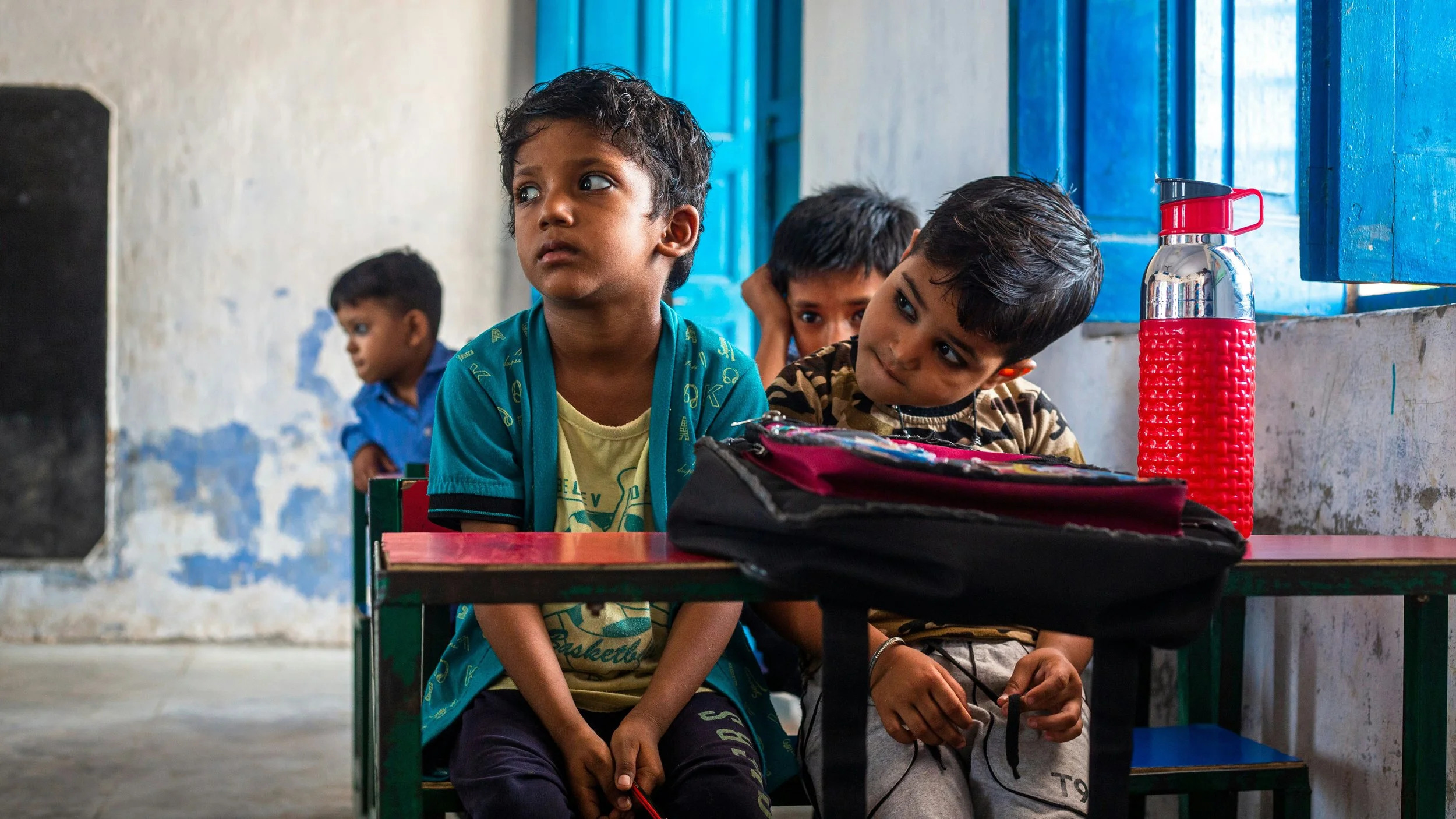
Supporting students with changing needs
This paper looks at how children with traumatic brain injury (TBI) manage at school. TBI is caused by an external injury to the brain and is different to DEE-SWAS, which is driven by epileptic activity during sleep.
The paper focuses on changes in thinking, behaviour and emotions, and how these affect learning and everyday school life. While the cause is different, some of these challenges may feel familiar.
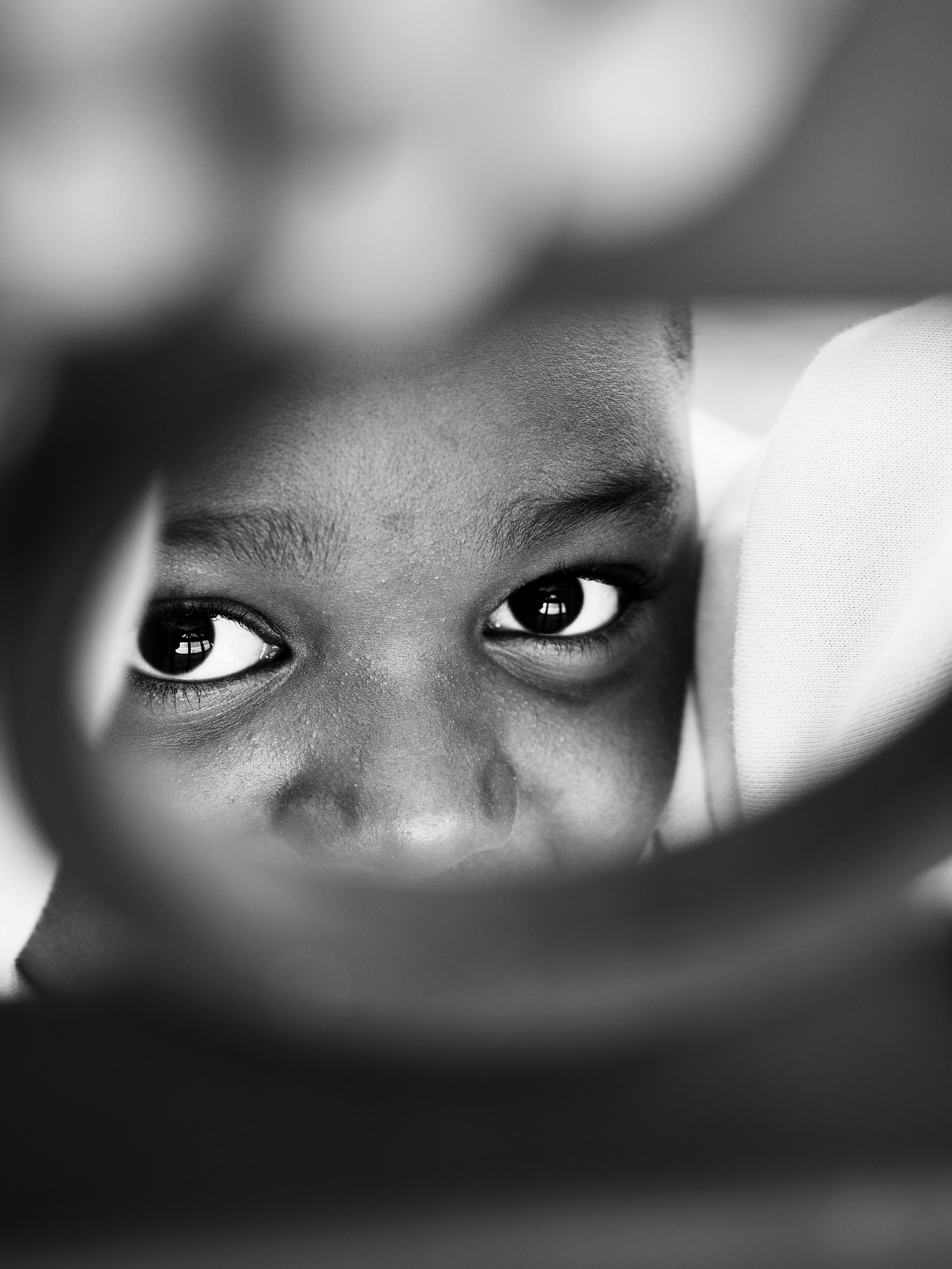
How brain changes shape identity, participation and everyday life
This paper presents a model for supporting children and young people after acquired brain injury (ABI). ABI is caused by an injury to the brain and is different to DEE-SWAS, which is driven by epileptic activity during sleep.
The paper focuses on identity, and how a child’s sense of self shapes their ability to engage in recovery, learning and everyday life.
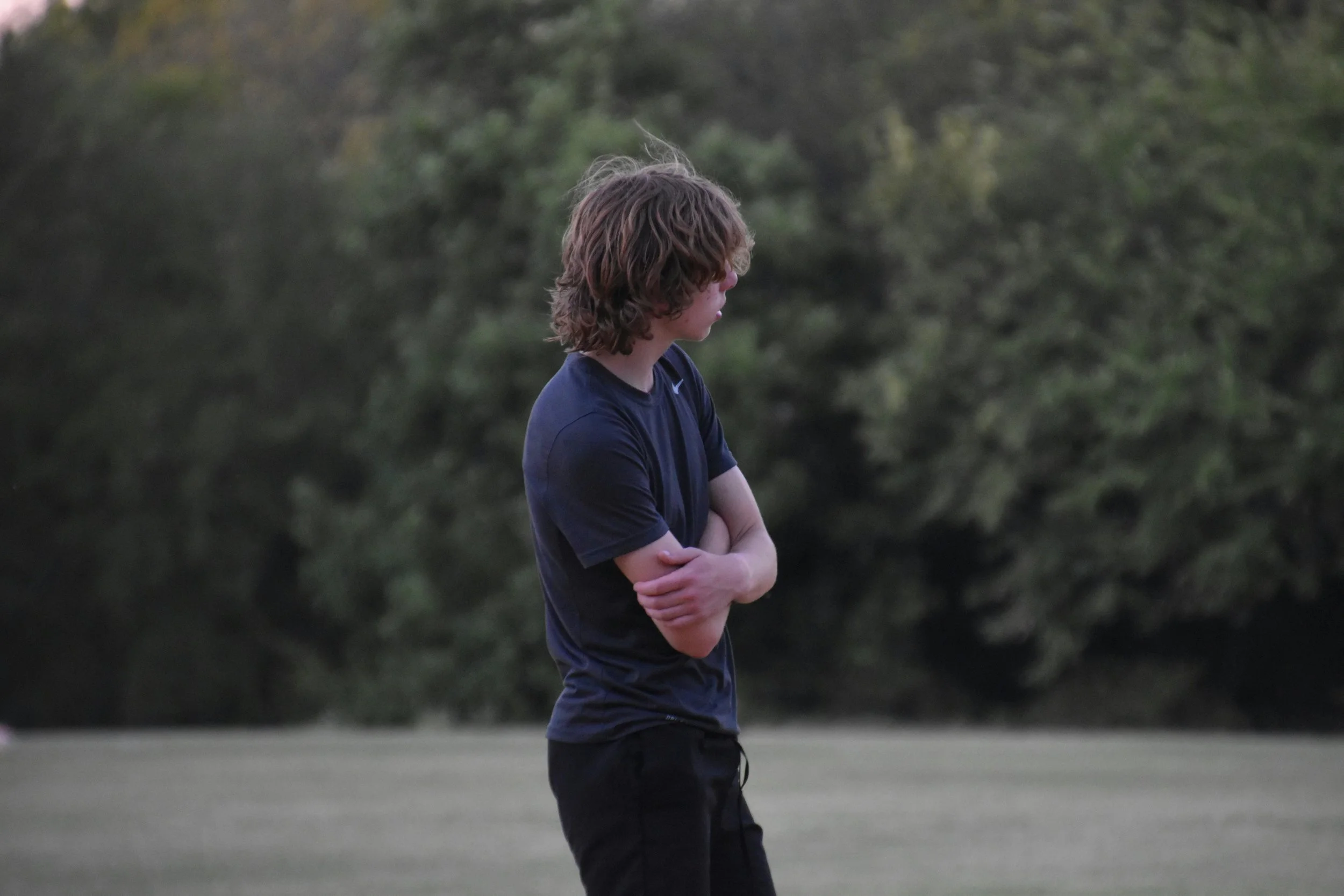
“I just want to be normal”: How epilepsy reshapes identity, belonging and everyday life
This study explores how children and adolescents with intractable (medically resistant) epilepsy understand their own lives. Instead of relying on clinical measures, it centres their voices. What emerges is not just a story about seizures, but about identity, belonging, and what it means to feel “normal” in childhood and adolescence.
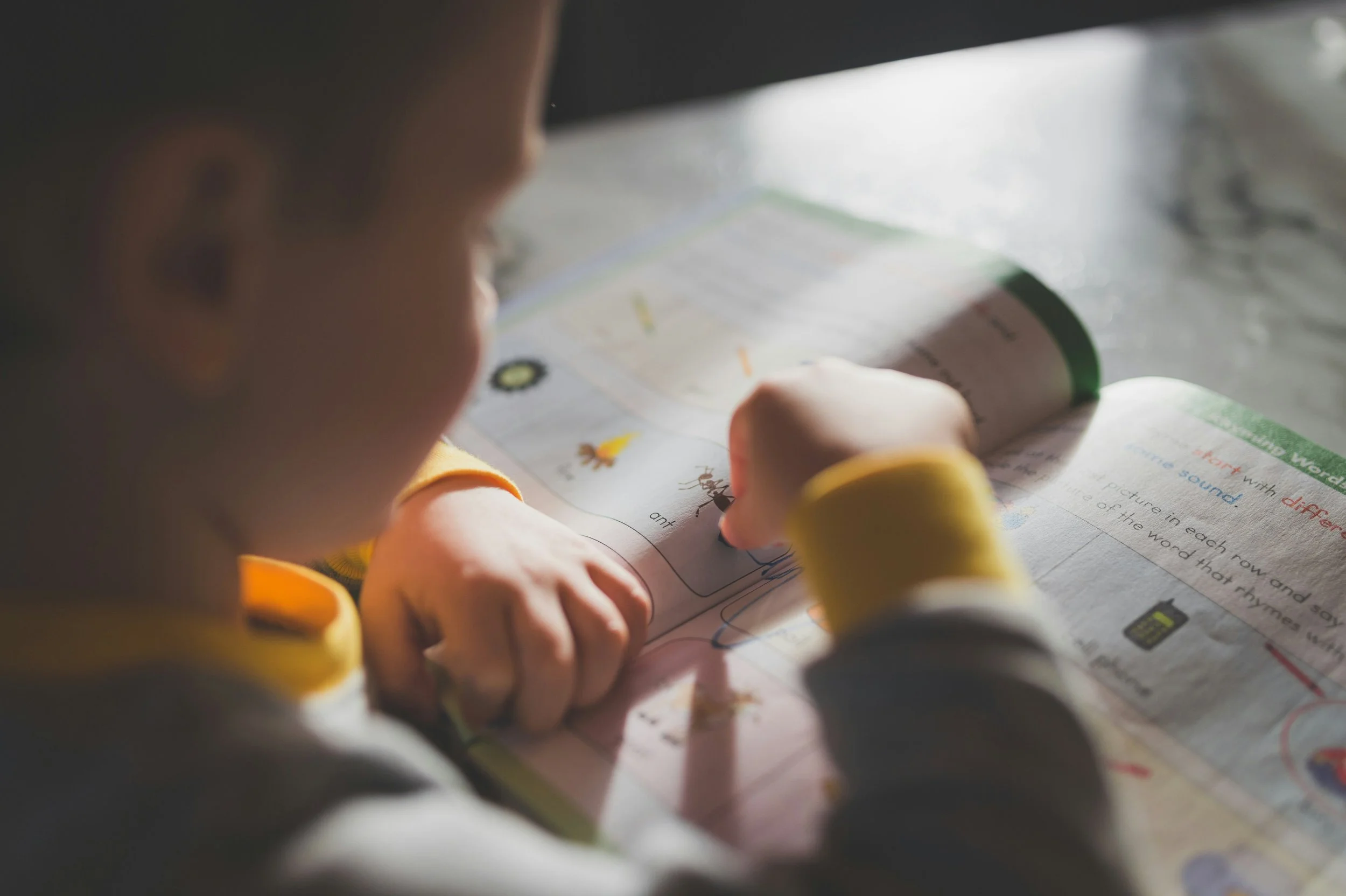
“Complicated epilepsy” linked to higher support needs at school
This study looked at learning and school outcomes in children with early onset epilepsy, with a focus on those with “complicated epilepsy”, who have additional brain, developmental or cognitive difficulties. Conditions like DEE-SWAS would sit within this more complex group.
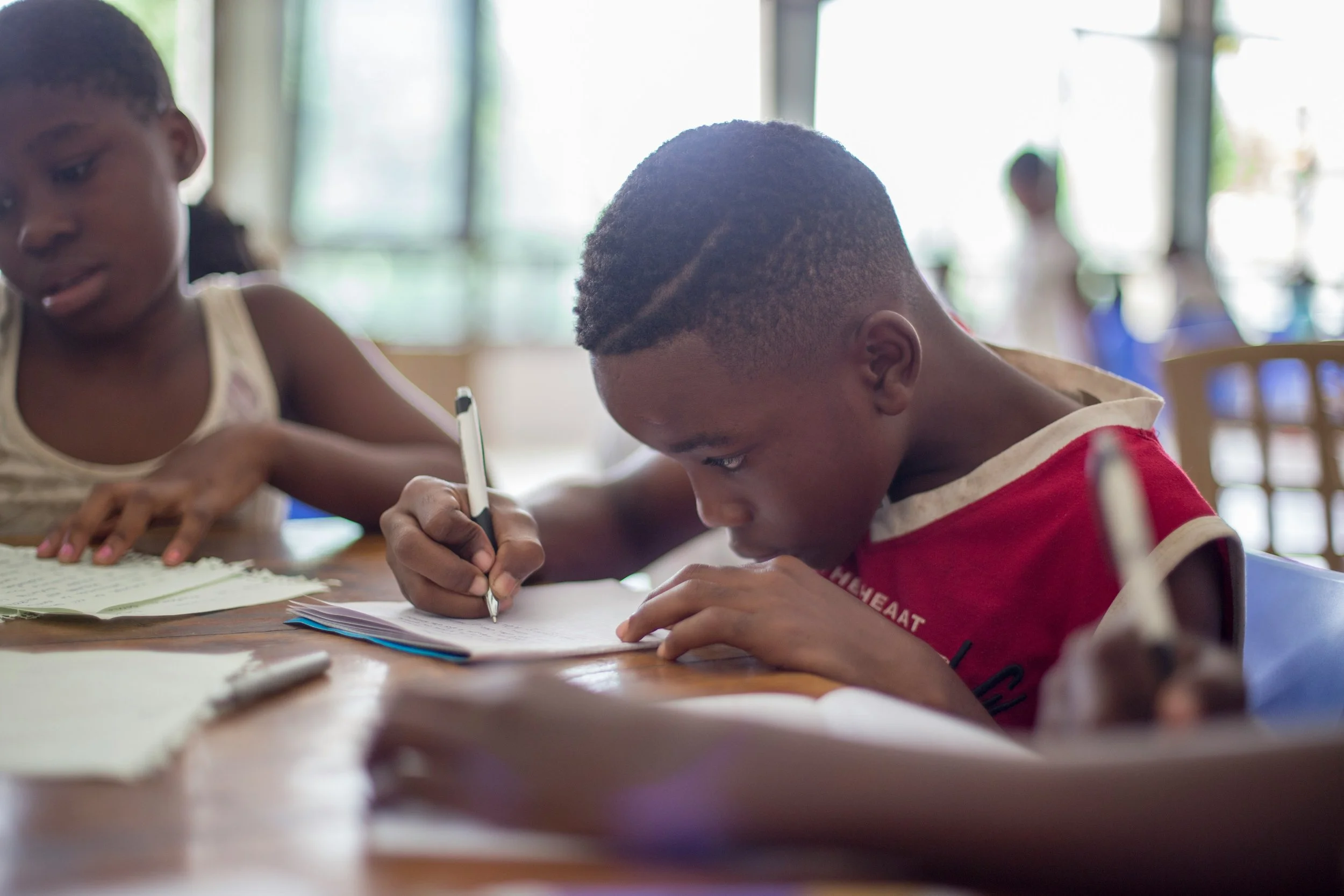
Long-term cognitive outcomes in children with CSWS
This study examined how children’s cognitive abilities change over time in CSWS, exploring whether difficulties improve, remain stable, or lead to lasting impairment.
Mental health intervention for a child with DEE-SWAS: a Telehealth case study
This case study explored whether a structured behavioural approach - delivered entirely via Telehealth - could address escalating behaviours and improve family life.
Intelligence Outcomes After Remission of DEE-SWAS
This study explored what happens to children’s intelligence after the abnormal sleep EEG pattern in DEE-SWAS resolves, examining whether cognitive abilities recover, stabilise, or continue to decline over time.

Landau–Kleffner Syndrome: clinical course and factors linked to long-term outcomes
This study examined how Landau–Kleffner Syndrome develops over time and which clinical factors are associated with better or poorer long-term outcomes for affected children.
Adult outcomes after childhood CSWS and Landau–Kleffner Syndrome
This study examined how people diagnosed with CSWS or Landau–Kleffner syndrome in childhood were functioning in adulthood, focusing on cognitive abilities, language, and everyday life outcomes.
-
Research into developmental and epileptic encephalopathies is progressing, especially in genetics, neuroscience and treatment. However, this work takes time.
For many families of children with diagnoses that sit under the DEE-SWAS umbrella, there is no single or immediate solution to what DEE-SWAS is doing.
This makes everyday support vital.
When my child was diagnosed with EE-SWAS, it was very hard to find practical guidance. That is still the case for many families.
What was needed was simple, useful information and tools and other supports, co-designed with families, to help us:
understand and explain the condition
navigate health and disability systems
support our child’s participation at school and in everyday life.
There are so many decisions families must make after a diagnosis, and no clear best choice. Often just two difficult ones.
The decisions can be highly emotional, as they involve letting go of long-held hopes, expectations and plans.
With each choice, practical, psychological, social and financial costs can build.
Do you send your child to school when they’re distressed, or prioritise rest?
If they can’t attend and you can’t work, why are you still paying fees?
Because you’re told this treatment might work, and they could be back in class any time.
I need help to make these decisions.Can they stay involved in sport in a more flexible way?
Sometimes it feels too hard to explain to a coach, and my child might fall apart, then me.
So you stop going. You stay home. Those friendships quietly fall away.
These decisions are often made with very little guidance.
In grief and sleep deprivation.
Others have been through this, but it’s rare, so you don’t know them.
I’m not a pioneer, but in many ways I live like one because the collective wisdom is hard to find.
Support works best when it fits into everyday life.
At school, at home, and in the community.
In our situation, it needs to build on what our child was already doing, with evidence-informed adjustments that help them stay involved in ways that are meaningful to them. Not additional programs for me to attend, which suggest that if I just learn more, do more, be more, I can fix what are often systemic problems.
Every child’s pathway is different.
Some children have had neurological differences from early in life. When DEE-SWAS develops, it can be hard to tell what’s new and what has always been there.
For other children, DEE-SWAS follows seemingly typical development. Skills are suddenly hard to access, learning slows and everyday things take much more effort.
This can affect not just what a child can do, but how they see themselves. An identity and a life in transition.
And in my experience, systems don’t acknowledge this.
Education, health and disability supports are often designed around either lifelong disability or stable conditions.
Children whose needs change over time don’t fit easily, even when the functional needs are clear as day. This affects how and when support is provided.
Support also needs to be flexible.
Thinking, energy and sensory capacity can vary from day to day, sometimes hour to hour. Easy to use tools that help educators adjust with the child are more likely to support meaningful participation.
A neuro-affirming approach is important.
At the same time, it has to be ok to name the sadness and loss that can come with DEE-SWAS.
At the moment, there is no narrative framework that brings these perspectives together.
Families learn we must stretch and bend to talk about our child with a neurological, developmental, behavioural or educational lens, depending on the setting.
It’s exhausting.
When appropriate support is available and part of everyday activities, life can look and feel very different.
Children can experience connection, confidence and a sense of capability.
They can stay part of school, relationships and community life in ways that work for them.
This is the kind of research and translation that would really make a difference to me.
-
If you’d like to explore research yourself, tools like Google Scholar can help you find studies about your child’s epilepsy and related conditions. Research can be written in a way that makes it hard for everyday people to understand. But even just reading the summary (abstract) of a published paper can be enough to get a sense of what it means.
Some parents and carers are using AI tools to help summarise research or explain difficult language. These tools can help you see patterns and ideas, but it’s important to talk things through with your child’s treating team if you want to understand what it means for your child.
A lot of research is behind a paywall, but some epilepsy research is open access, which means it is freely available. This makes a real difference for families like ours who want to understand our child’s rare condition. Over time, I hope to build and share a list of open access research here.