About this project
-
My eyes open. It’s too bright.
Dad crying.
Mum screams.
Ambulance man.
says “get the mother out of here”.At hospital
Cold things put on my head.
Round. Sticky.
Red green blue white wires.
Itchy tape.
I run in the hospital.
I scream.
Mum picks me up.
Carries me back.
A machine beeps.
Nurse stares at the screen.
Go to doctors. Lots.
Take pills. Lots.
Dad puts them in milk.
Morning.
Night.
One makes me slow.
One makes me bad.Late again.
I’m not dressed.
Hide in the blankets.
Dad dressing me. I’m floppy.
I can’t do it. No.
My head is full.No shoes. Clothes hurt. Shoes hurt.
Carried up the street.
At school I hold on.
Mum lets go.
I scream.
Teacher holds me.
Mum walks out the gate fast.Pencil won’t work .
It scribbles. Brain slow. What did teacher ask me to do?
I used to do this so neat.Our class votes.
Cats or dogs.
Dogs win.
But I love cats.
I’m mad. I’M VERY SAD.
The room is loud. Isaac is loud.
I tell him “stop”.
I’m under the desk.
Now hitting Isaac.
Isaac is my friend.
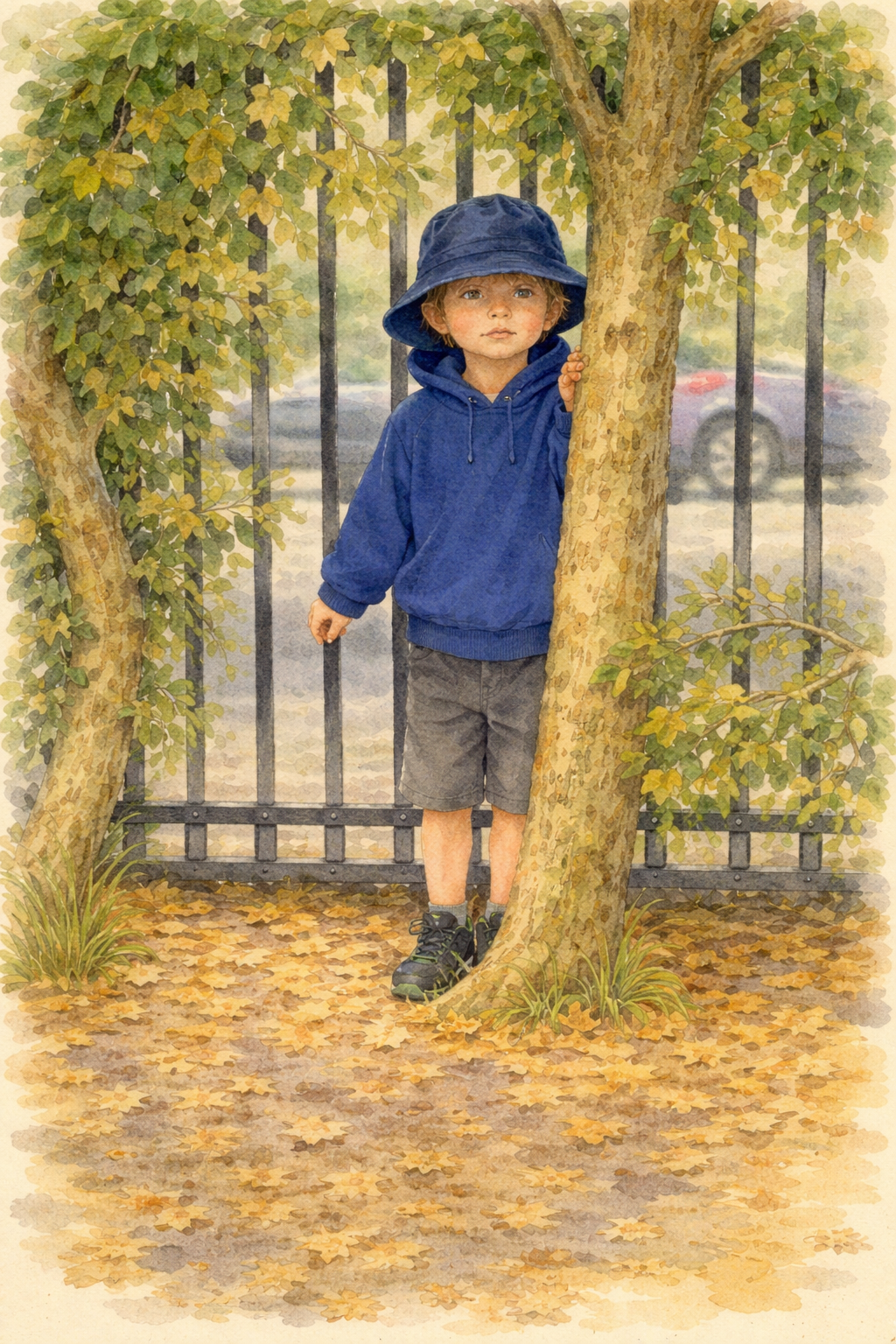
I hide at lunch.
Behind a bush.
The big gate opens.
I run. I’m fast.
A teacher runs too.
I get far, to the shops!
I sit with the principal again.
I colour. It’s quiet.
Mum comes.
Come home early. Every day now.YouTube. Minecraft.
Don’t talk to me… near me … please.
Everything is loud, my heart works too fast. I can’t tell you how it feels. There’s a bubble over me.My sisters swim.
I used to dive for jewels.
Just make Legos now. Alone. Just don’t talk near me.
It hurts my bones.
I have Funny Kid books.
I read them myself when I was 6
I want to… but I can’t
Dad reads Funny Kid to me.Lenny, Jack and Beau run.
I watch.
My legs forget how.
My friends go slow now, let me catch them. ‘Good one’ they say.I chew. Every minute. My heart can slow down if I chew. I won’t scream.
Pen.
My jumper.
Lolly on the ground.
I have Donkey Kong now. New best friend.
I chew his arm. He’s wet, he’s ripping.
Insides come out.Salmon for breakfast, lunch and dinner. It’s all I can eat.
Only omelettes last week.
Crisps before that.At night
my head won’t stop. I kick, roll, scream.
It feels big.
Like it might break.
f#*k you I scream.
Mum says shhh.
The neighbours.
I sleep in their bed.
I wake up. They whisper over my head.Weekend.
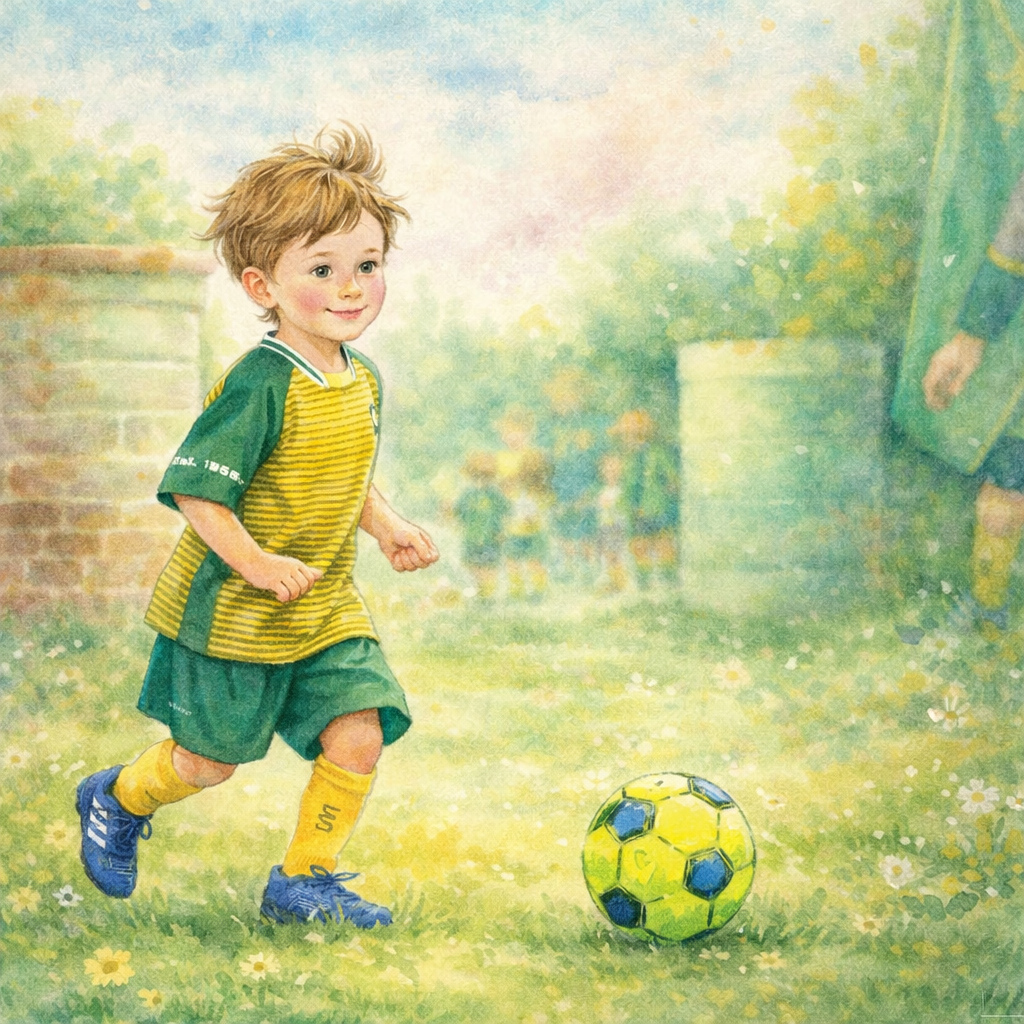
Soccer.
Once a strong defender.
Now I lie down.
In the middle.
They call my name.
Dad runs over - is it a seizure?
I’m just resting.
I have this thing epilepsy.
An ultrarare Pokémon.
This is so wrong for me.
I did not expect this.
Is this me Now.
slow
alone
dumb
different.I’m Weird. So tired. So tired.
When will this forever day end? When can I dream? -
Voices of DEE-SWAS exists so children and families around the world have a place to share what life looks like, day to day, living with developmental and epileptic encephalopathies with spike-wave activation in sleep (DEE-SWAS).
This is rare and not well understood. It doesn’t just affect the brain. It changes the small, ordinary parts of life. How my child connects, learns, plays and moves through each day. It reshapes family life too. It’s not just medical - it’s also disability. Although I know this, the expert decision makers in education and disability systems keep telling me my son’s epilepsy is a treatable medical condition. As a result, DEE-SWAS, like other little understood rare diseases, has restricted participation, not only my child but my entire family. Because disability is shaped not just by the condition, but by whether the world around you makes space for you to be included.
Every DEE-SWAS journey is unique, but our child was typically developing - bursting with vitality, kindness and intelligence. They retain those beautiful qualities - it just doesn’t come through on a Vineland or WISC. My shorthand explanation, when I need one, is that my child’s illness and disability have similar consequences for their life to dementia or an acquired brain injury. And mine as a carer.
This project brings together lived experience and research to inspire reflection, research and action towards practical strategies to help DEE-SWAS children and their families find their way back to be part of the ordinary world we miss so deeply.
The voices that are least heard are those of children and young people with DEE-SWAS. What I am most excited about is exploring safe ways for them to share their experiences and what matters to them. I want to find ways to make that a positive, healing, confidence building and even fun experience for them.
I know there is already great work happening, from parents, teachers, teacher’s aides, psychologists, occupational therapists, speech pathologists, support workers and dietitians, to help children like mine participate in school, community and family life in ways that are meaningful for them.
But if these everyday experts are never alerted to the existence of a wider group of children with similar challenges, they may mentally file our children as one-offs: blips or anomalies in their working lives.
After all, they may only encounter one child with DEE-SWAS in their entire career. Their insights are priceless, and we need to find a way to capture and share them.
This isn’t simply autism, ADHD or intellectual disability. This isn’t a static disability or a known quantity with a clear trajectory.
It’s fluctuating cognition, reduced working memory and processing speed, sensory and hearing changes, difficulty responding, and fatigue. For some children, it’s losing speech, mobility and the ability to swallow. It’s a social, intellectual and emotional identity disruption that may or may not be permanent. With so little qualitative research interviewing adults who have had DEE-SWAS, no one can tell us what our child’s future could hold. Could they become a professional football player or journalist like two DEE-SWAS adults I’ve read about? Will my child live independently in adulthood? Have a job? Have a life partner and children if they choose? Or will they need my assistance to participate until I die?
We already know something important.
It’s not big milestones that shape a child.
It’s the small, everyday moments.
Being included.
Being understood.
Being able to join in.
Even in conditions like DEE-SWAS, where there is still so much uncertainty, this remains true.
My child now attends a specialist autism school - the best fit option that exists for his DEE-SWAS needs. Small classes, experienced teachers, and the time and understanding to adapt learning to the impact of DEE-SWAS.
The right learning environment is rehabilitative - for his sense of self, his social and emotional life, and his education. I’m watching it happen in real-time, day by day. Instead of multiple moments of exclusion, isolation, distress and overwhelm, every day has multiple positive moments that add up to the childhood that is every young person’s right. But the systemic hurdles to get him there have brought us to our knees. The education and disability policies intended to protect him have, in practice, discriminated against him and further restricted his participation, as well as ours as carers. That is not right.
As parents, we are trying to protect the small, everyday moments of participation and belonging that every child with DEE-SWAS deserves. We want our child to make their way back to the ordinary world … but we can’t do it on our own.
Ordinary WorldWhat has happened to it all?
Crazy, some'd say
Where is the life that I recognise? (Gone away)
But I won't cry for yesterday, there's an ordinary world
Somehow I have to find
And as I try to make my way to the ordinary world
I will learn to survive
-Duran Duran
-
I am a 46-year-old woman living in Sydney, Australia.
Melanie Ridout - LinkedIn
I hold a Bachelor of Communications (Journalism) and have worked as a writer and communications professional in the health and social sectors.Alongside this professional background, I bring lived experience as a parent and carer of a child with EE-SWAS epilepsy. This perspective shapes my interest in the social, educational and identity impacts of rare neurological conditions on children and their families.
I recognise that, despite the significant challenges associated with rare disease, my family has had access to health, education and disability supports that are not available to all families everywhere. I am aware that my own experiences and assumptions will shape the questions I ask, how I interpret the experiences of others and the stories I choose to pursue and share.
I am going to do my very best to create space for a range of child and family perspectives and experiences, including those that may be less visible in existing research and advocacy circles.